Ta-Ha Thoughts: For the Love of the Language
Last month, the world of letters marked the passing of Dr. Arfa Syeda Zehra, a Pakistani educationist and champion of the Urdu language.
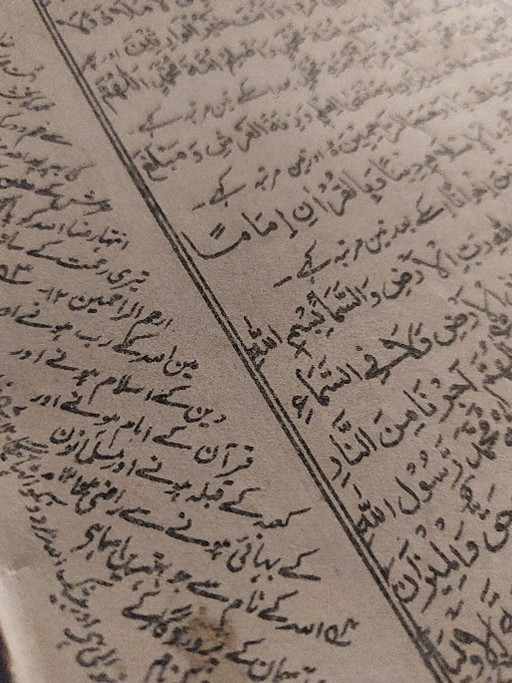
For me, this news was not just a public loss, but a very personal one. Arfa Khala, as she was to me, was an enduring friend to my late mother. Their bond was forged in Lahore College for Women University in the 1960s where my mother was the lecturer to a student already showing glimpses of her future greatness. Theirs was an unlikely friendship that spanned decades and continents, built on shared ideals: a profound love for education (especially for women), and a deep, abiding respect for the Urdu language and its preservation.
Dr. Arfa’s life work was a passionate testament to a single, powerful idea: that language is far more than a mere tool for communication, but the container of a civilisation’s culture, its history, its collective wisdom, refinement and etiquette (tehzeeb).
She passionately and eloquently argued that an education was meaningless if it did not also build character. According to her, a deep engagement with language and literature was the primary path to shaping a moral, ethical, and compassionate human being. To lose one’s language, she warned, was to lose one’s DNA, to sever ties with the very heritage that shapes our identity and informs our character.
In the days since her passing, I have found myself reflecting more deeply on language and the role it plays in preserving and protecting the soul of a tradition. After all, so many concepts and perceptions are embedded deep in the womb of language. This brought me to the question of our mission to “connect English-speaking Muslims to the heart of their faith.”
Every day, our editorial team is engaged in deep discussion about the use of Arabic terms within our English texts or the suitable translation of one Arabic word that could otherwise occupy paragraphs of English. We do this because our task, and that of our authors and translators, is not only to preserve and protect the soul of our Islamic tradition but to transmit that soul from one language to another. This is a privilege and act of profound linguistic care. As writers, readers, and publishers, we are all translators not just of words, but of wisdoms. We are tasked with being the bridge across generations, ensuring that as the language of our community evolves, the character of our deen is never lost.
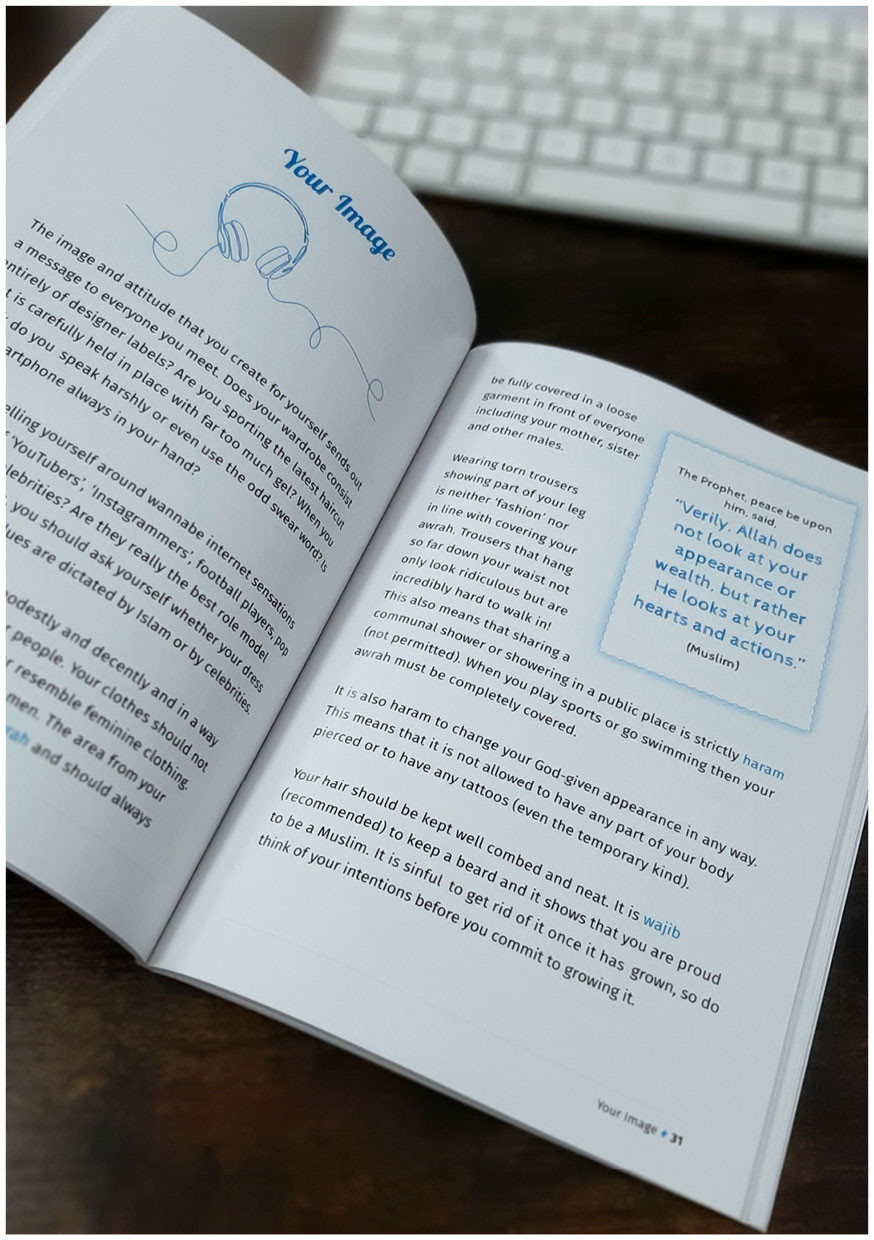
That is why our core ethos is a love of books. Not simply because we love reading, but because we have a deep-seated belief that books are the most stable, tactile vessels for carrying this precious cargo of wisdom across generations. Our commitment to “authentic, accessible books” is our pledge to this legacy. It is the meticulous, intellectual work of our authors, translators and editors to ensure the language we use is elegant, precise, and capable of preserving what we have received from the past, imbuing it in ourselves, and passing it forward to a new generation.
We are passionate about a world in which faith-based literature “sharpens your sensitivities and sensibilities” to borrow the words of Dr Arfa. Where literature enhances our capacity for empathy and the collective human experience, while simultaneously affecting a change within us and refining our judgement for what is true and noble.
The work of championing language – whichever language that may be – is the work of preserving humanity itself. It is a legacy we are humbled to share, and one we are committed to carrying forward. One thoughtful, well-chosen word at a time.